

Sustainability is no longer just a brand value, for many European consumers and retailers, it has become an important purchasing factor. Across the European eCommerce and fashion market, buyers are increasingly paying attention to how products are sourced, packaged, shipped, and fulfilled.
For international brands expanding into Europe, having sustainable operations is important, but communicating those efforts clearly and authentically is equally critical.
A strong sustainability story can help brands:
Here is how international brands can communicate their sustainability strategy more effectively to European buyers.
European consumers are increasingly informed about sustainability, supply chain responsibility, and environmental impact. Many buyers actively research brands before purchasing and expect transparency around business practices.
This includes interest in:
Brands that communicate sustainability clearly and honestly are often better positioned to build long-term trust within the European market.
European buyers are becoming increasingly critical of vague sustainability messaging and greenwashing.
Generic claims such as:
without explanation or evidence may reduce trust rather than strengthen it.
Instead, brands should communicate:
Examples include:
Specificity creates credibility.
Logistics and fulfillment increasingly influence how consumers perceive sustainability.
European buyers are paying closer attention to:
A localized European fulfillment strategy can support more sustainable eCommerce operations by:
For many international fashion brands, European fulfillment becomes both an operational and sustainability advantage.
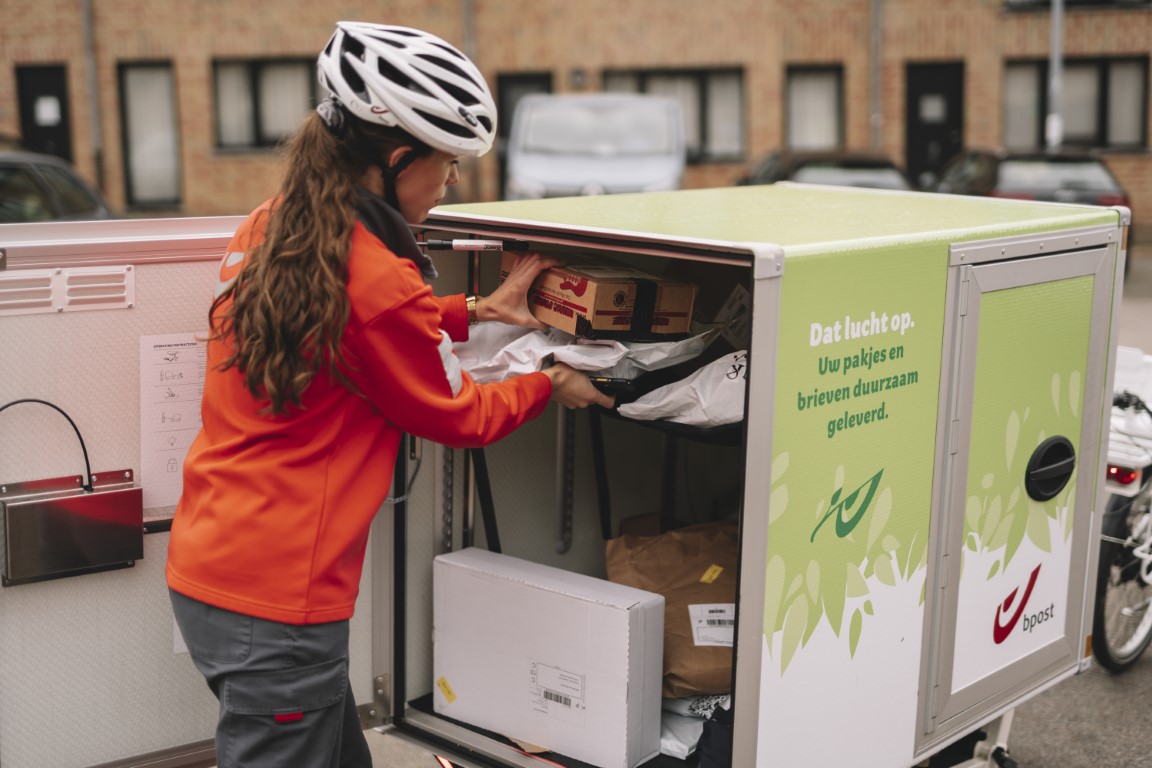
Packaging is often one of the most visible sustainability touchpoints for customers.
European consumers increasingly prefer:
Brands should clearly communicate packaging initiatives across:
Even small packaging improvements can positively influence customer perception and brand loyalty.

Many brands make the mistake of hiding sustainability information inside corporate reports or secondary website pages.
Instead, sustainability messaging should be integrated naturally throughout the customer journey, including:
This helps reinforce trust and keeps sustainability connected to the overall customer experience rather than treating it as a separate topic.
Supply chain visibility is becoming increasingly important across the European fashion and eCommerce industry.
Customers and retail partners often want to understand:
Transparent communication around sourcing, warehousing, fulfillment, and transportation can help strengthen credibility and support stronger relationships with European buyers.
As competition within European eCommerce continues to grow, sustainability increasingly influences purchasing decisions and brand differentiation.
Brands that combine:
are often better positioned to compete in the European market.
Sustainability is no longer only about compliance — it is increasingly becoming part of the overall customer experience and brand identity.
European consumers expect more transparency, responsibility, and authenticity from the brands they purchase from. For international fashion and eCommerce brands, communicating sustainability effectively is becoming an essential part of successful European expansion.
By combining transparent messaging with sustainable fulfillment, responsible logistics practices, and customer-focused communication, brands can strengthen trust and create long-term competitive advantages across Europe.
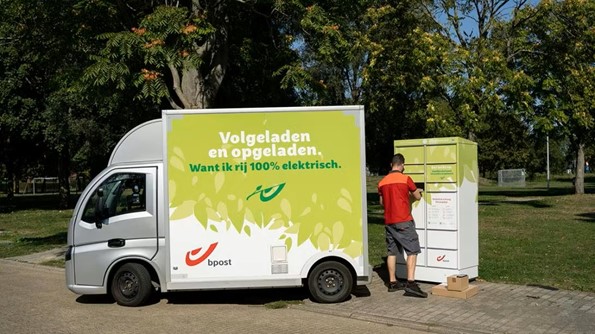
Get in touch with Active Ants to discover how our scalable fulfillment solutions can support sustainable international growth across Europe.
Subscribe to our newsletter and be the first to receive the latest industry news, expert insights, and exclusive tips to grow your business. Join our community today and stay one step ahead!