
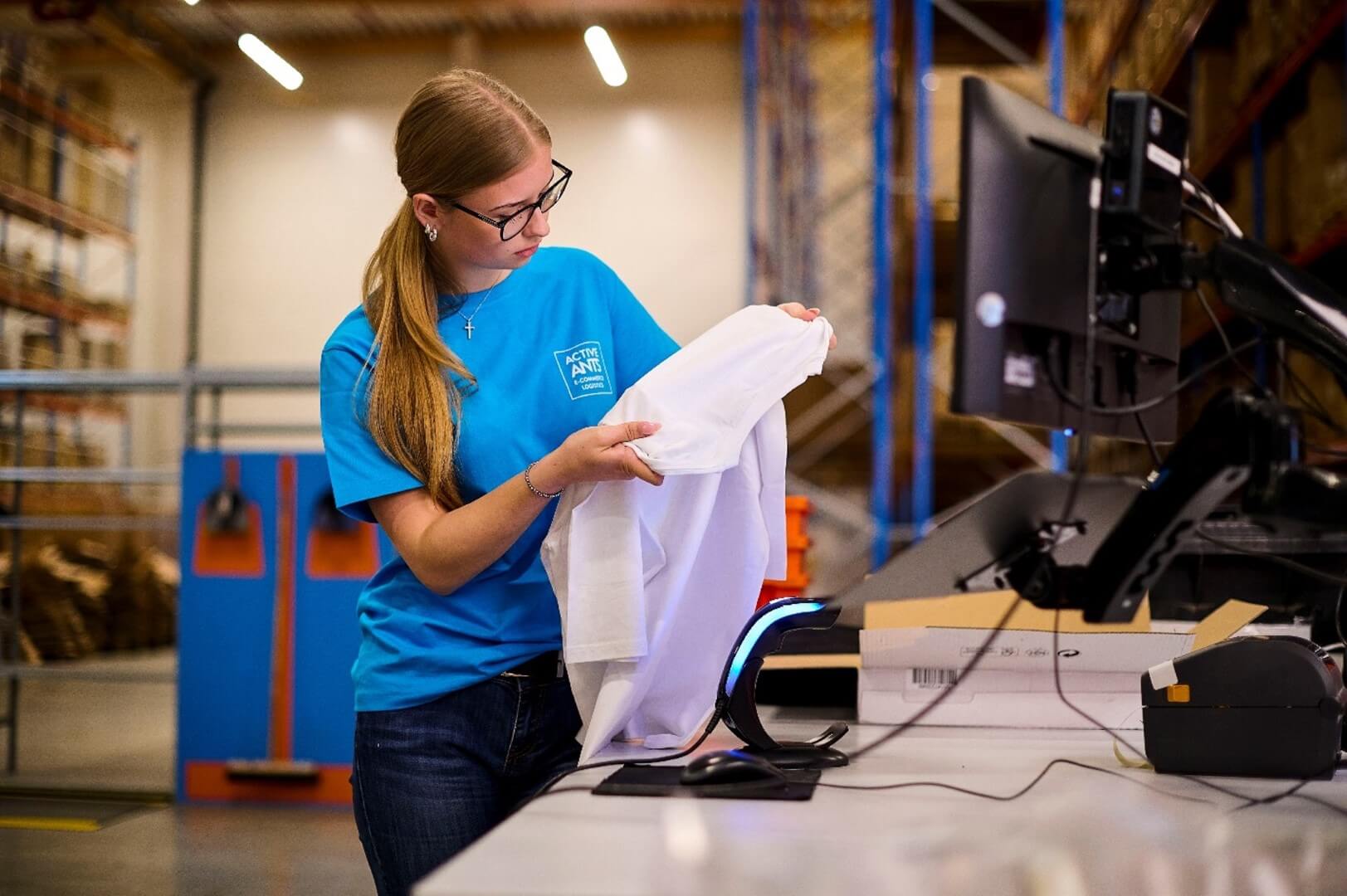
For eCommerce brands selling internationally, returns management is no longer just an operational task, it has become a critical part of the customer experience. Like many mature eCommerce markets, European consumers increasingly expect fast, simple, and transparent returns processes when shopping online.
For brands shipping into Europe from outside the region, handling returns efficiently can quickly become complex and costly. Long shipping distances, customs procedures, refund delays, and reverse logistics challenges can negatively impact both profitability and customer satisfaction.
Here are the key factors brands should consider when managing returns from European customers.
European shoppers are highly accustomed to flexible returns policies, especially in fashion, lifestyle, and consumer goods eCommerce.
In many European markets, customers expect:
A complicated returns experience can significantly reduce customer trust and impact repeat purchases.
For international brands, returns are not only about logistics, they directly influence conversion rates and long-term customer loyalty.
Handling returns from Europe to countries outside the EU can create several operational and financial challenges.
Common issues include:
For growing eCommerce brands, reverse logistics costs can quickly increase if returns are managed inefficiently.
This is why many brands expanding into Europe begin evaluating localized European returns and fulfillment strategies.
Customers increasingly expect refunds and exchanges to happen quickly. Long waiting times can negatively impact customer satisfaction and brand perception.
An efficient reverse logistics process helps brands:
For fashion and apparel brands in particular, fast returns processing is important because inventory cycles move quickly and delayed product restocking can impact sales opportunities.
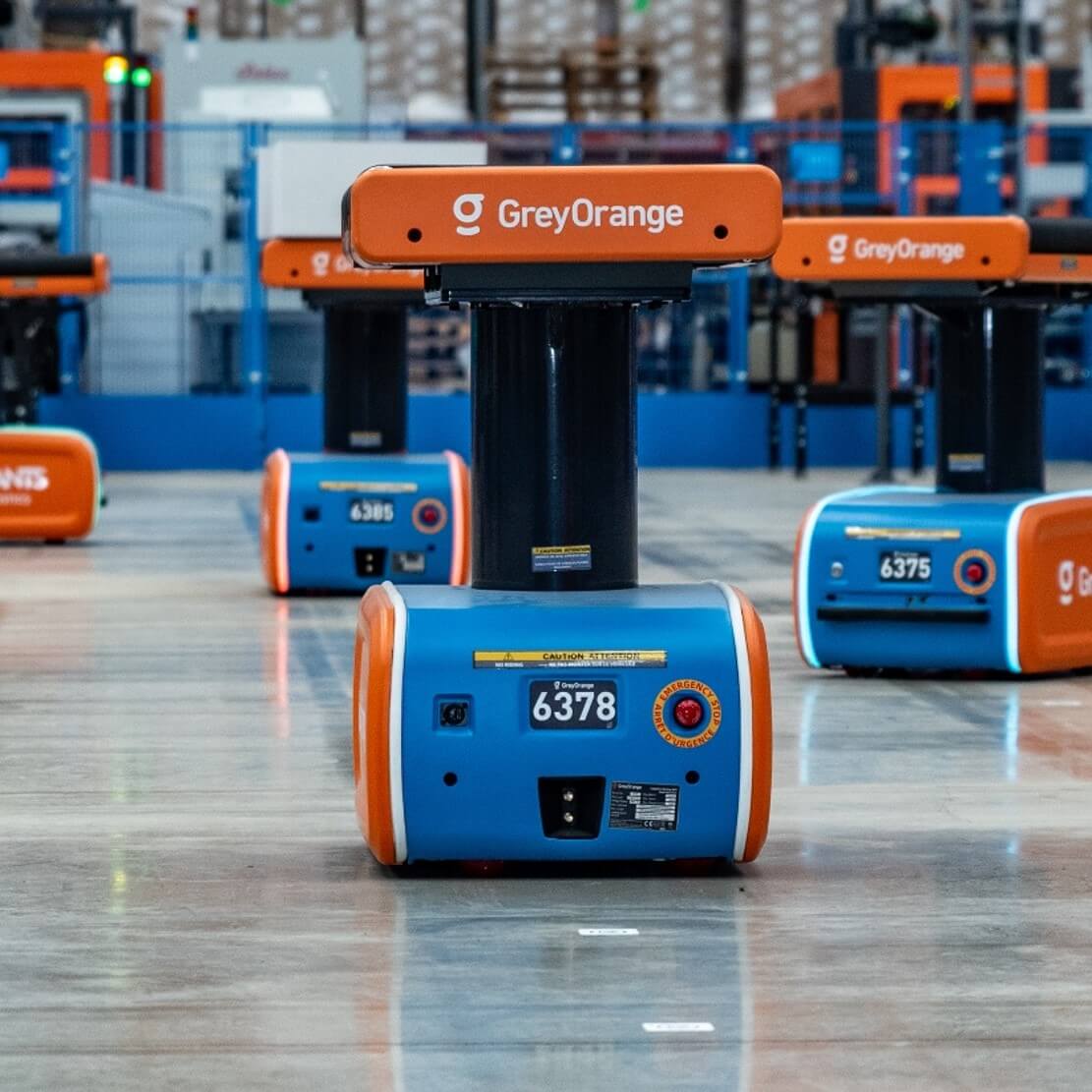
One of the most effective ways to simplify European returns is by offering customers a local return address within Europe.
This can help:
European customers are generally more comfortable purchasing from brands that provide localized returns options and transparent return policies.
For international brands, having a European returns infrastructure can significantly improve the post-purchase experience.
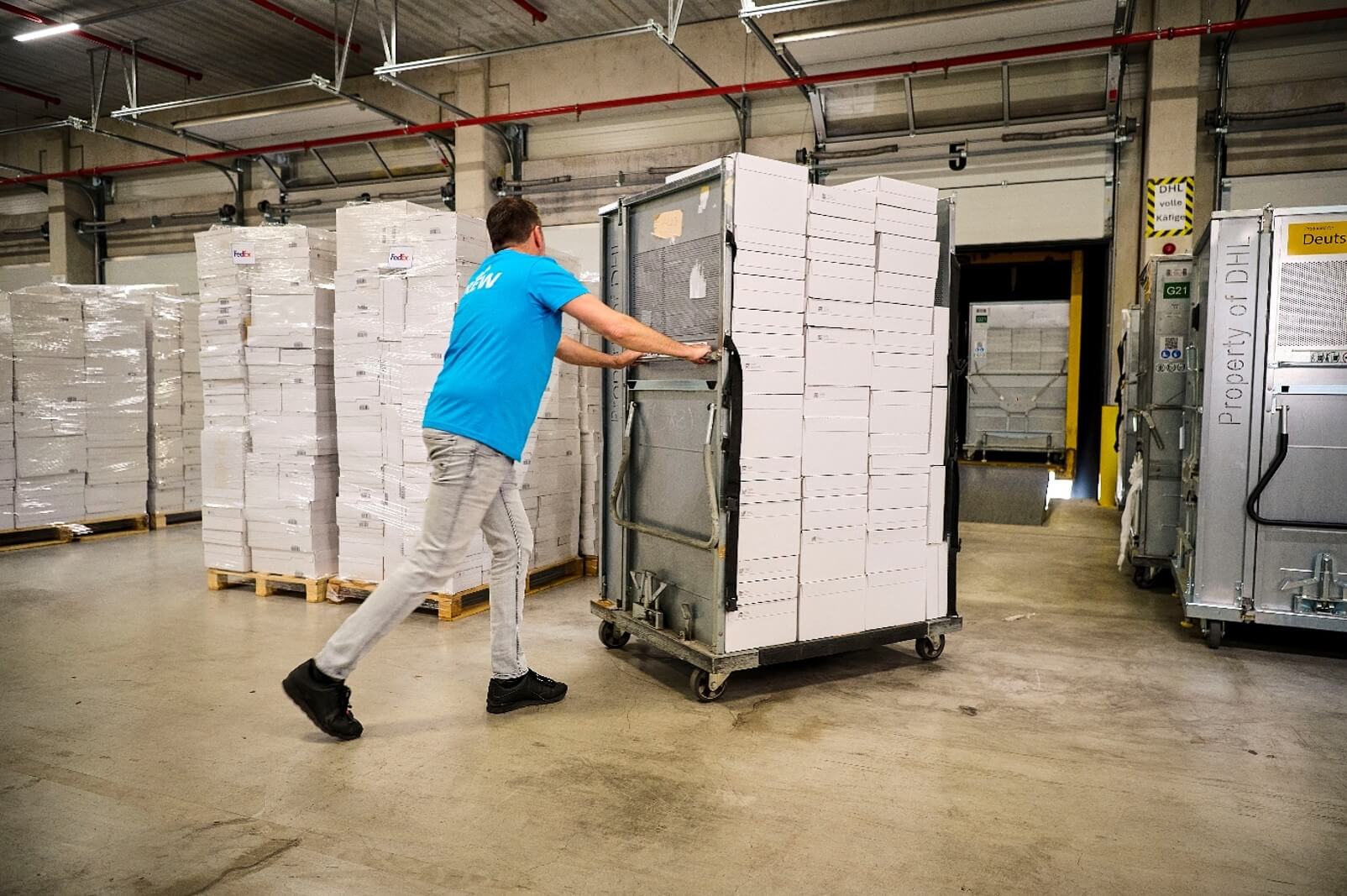
A strong returns process also depends on clear communication.
Customers should easily understand:
Transparent communication helps reduce customer service inquiries and creates a more professional customer experience.
Automation and integrated returns portals can also help simplify the process for both customers and internal teams.
Returns management is not only about processing products — it can also provide valuable business insights.
Tracking return patterns can help brands identify:
Analyzing returns data allows brands to improve both customer experience and operational efficiency over time.
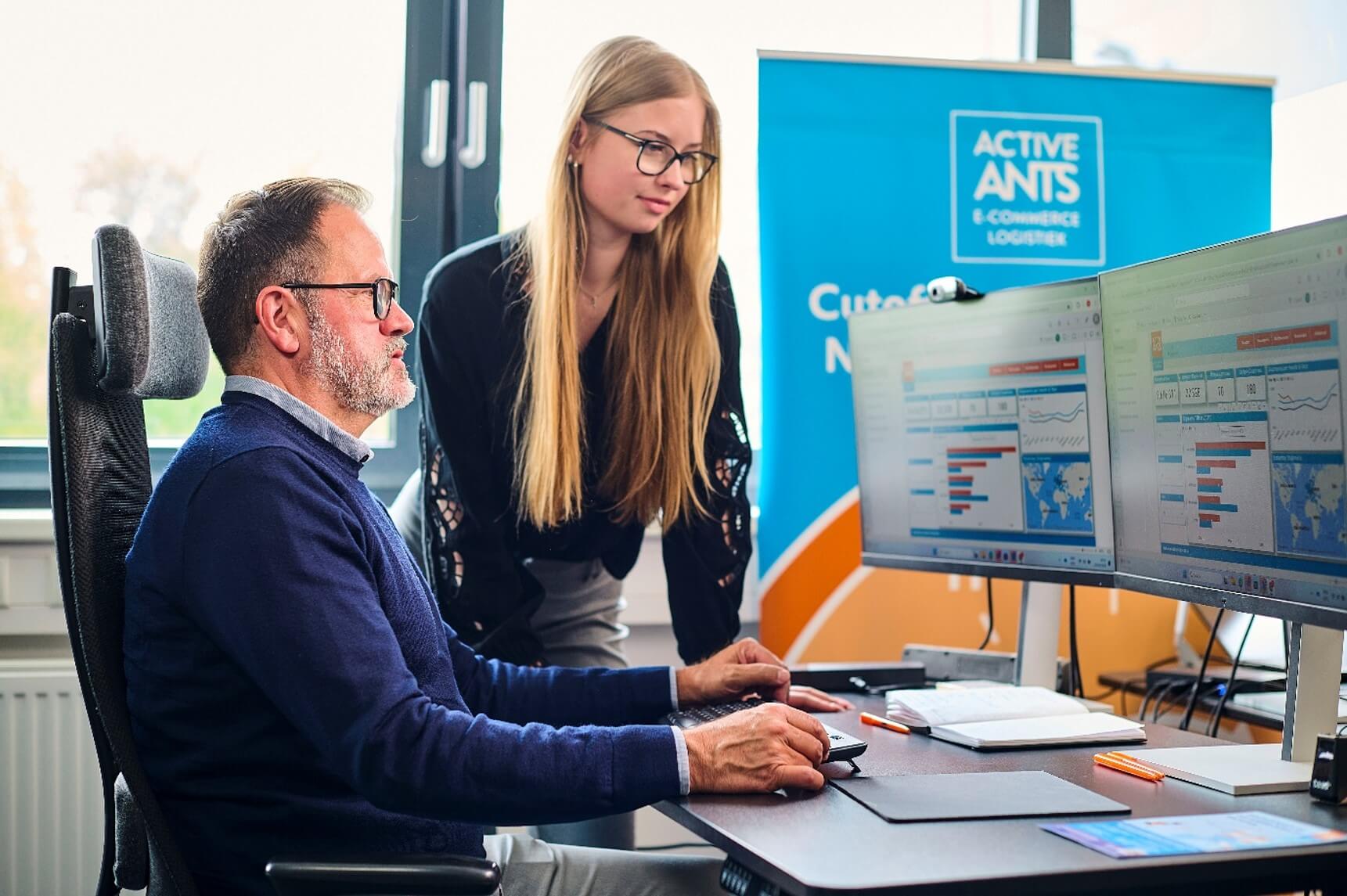
As order volumes increase, many brands choose to combine European fulfillment with localized returns handling.
This approach can help:
For brands expanding internationally, a localized European fulfillment strategy often becomes an important step toward improving operational efficiency and customer satisfaction.
Handling returns from European customers efficiently is becoming increasingly important for eCommerce brands operating internationally.
Customers expect convenience, speed, and transparency throughout the returns process, and brands that fail to meet these expectations risk losing trust and repeat business.
By investing in efficient reverse logistics, localized returns solutions, and scalable European fulfillment strategies, brands can improve customer experience while creating a stronger and more sustainable international operation.
Get in touch with Active Ants to discover how our scalable eCommerce fulfillment solutions can support your international growth across Europe.
Subscribe to our newsletter and be the first to receive the latest industry news, expert insights, and exclusive tips to grow your business. Join our community today and stay one step ahead!