

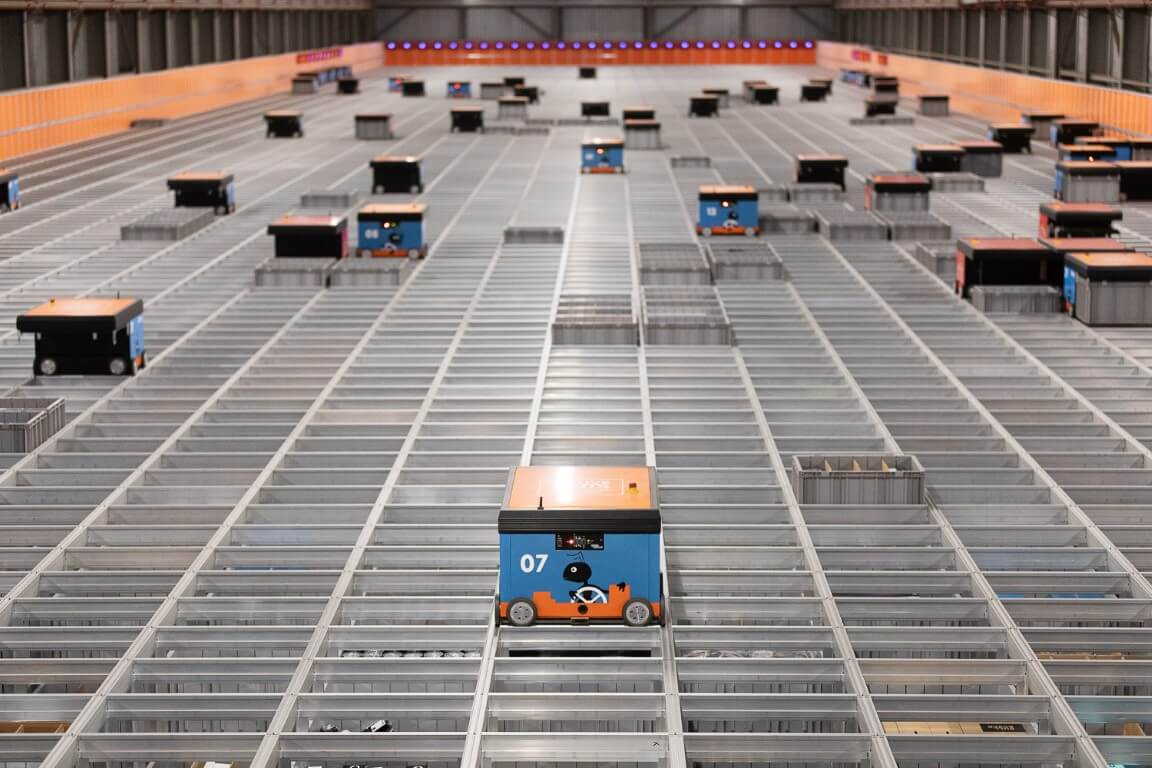
When many people picture a warehouse, they imagine rows of shelving and manual handling. The reality across the UK logistics sector is changing fast.
Today’s fulfilment environments are becoming intelligent ecosystems powered by AI, automation and digital twins. These technologies are reshaping how goods move through UK supply chains, helping businesses respond faster to demand, improve accuracy and build resilience into operations.
So what does this transformation actually look like in practice?
From Static Storage to Smart Fulfilment
Across the UK, modern warehouses are shifting from isolated systems to fully connected operational environments.
Rather than relying on manual planning or static processes, logistics platforms now use continuous data streams to drive real time decision making.
This includes:
AI engines analyse this data to forecast demand and optimise inventory placement. The result is fewer stock outs, less excess inventory and faster order fulfilment across ecommerce, retail and marketplace channels.
For brands operating in the UK market, this means:
Predictive AI Creating Agile UK Supply Chains
AI is now playing a central role in orchestrating daily warehouse activity.
Instead of fixed workflows, intelligent systems dynamically direct:
If priorities change, such as a sudden spike in ecommerce orders or returns volumes, systems recalculate instantly.
This allows UK fulfilment centres to manage:
within one coordinated environment.
The outcome is consistent throughput without unnecessary movement or delays.
Computer Vision Driving Accuracy
Advanced camera technology is also becoming a core part of warehouse operations.
Computer vision systems can identify:
as they occur.
This supports higher order accuracy, which is critical for UK retailers and ecommerce brands where customer expectations around delivery experience continue to rise.
A recent European survey shows:
Automation Improving Efficiency
Automation is no longer limited to standalone robotics.
Across modern UK fulfilment centres, technologies such as:
are orchestrated through intelligent software layers. These systems balance workloads and prevent bottlenecks.
Predictive maintenance models can also identify equipment risks before they disrupt operations, reducing downtime and supporting service continuity.
One of the most significant developments in UK logistics is the rise of digital twins.
A digital twin is a virtual replica of a physical warehouse, powered by real time data.
It mirrors:
This allows logistics leaders to simulate operational scenarios without disrupting live fulfilment.
For example:
By integrating AI and IoT data, digital twins support smarter planning, cost reduction and long term scalability.
Market analysis suggest the global digital twin sector could grow by 30% to 40% annually, reaching up to $150 billion by 2032.

When digital twins, automation and AI operate through a unified data environment, warehouses shift from reactive to adaptive.
Operations can:
This evolution is particularly important for UK brands managing multichannel fulfilment across ecommerce, retail and international distribution.
Solutions already in operation across Europe, including those within Active Ants’ automated fulfilment environments, demonstrate how robotics and data intelligence can streamline picking and scale operations efficiently.
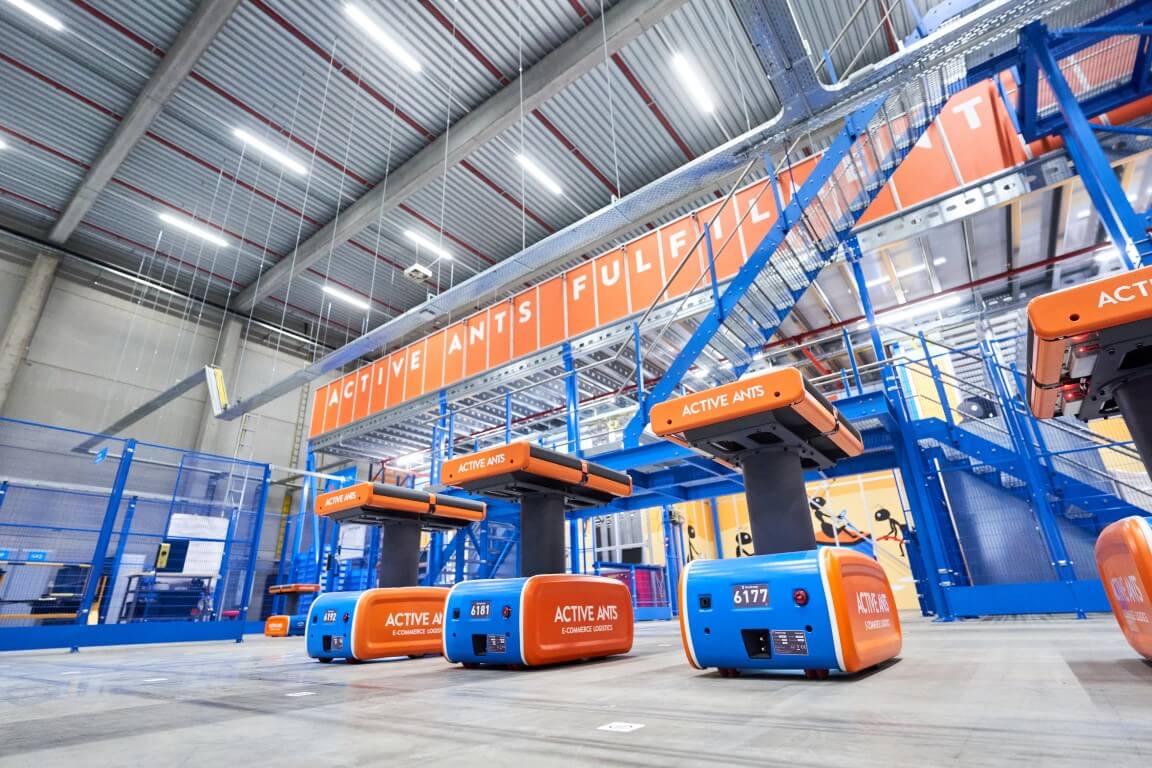
Digital twins and AI are quickly becoming foundational to modern warehousing.
They enable:
The focus is no longer on whether to adopt intelligent warehouse technologies.
The focus is now on how to integrate them effectively within existing fulfilment operations to unlock measurable performance gains.
To explore how intelligent fulfilment environments can support your UK logistics strategy, speak with our team.

Subscribe to our newsletter and be the first to receive the latest industry news, expert insights, and exclusive tips to grow your business. Join our community today and stay one step ahead!