


Growth is exciting. Until your fulfilment operation struggles to keep pace.

From June 19, 2026, a new EU requirement made it easier for consumers to exercise their right of withdrawal when shopping online. While much of the discussion around the so-called “withdrawal button” has focused on legal compliance, eCommerce brands should also consider the operational implications.
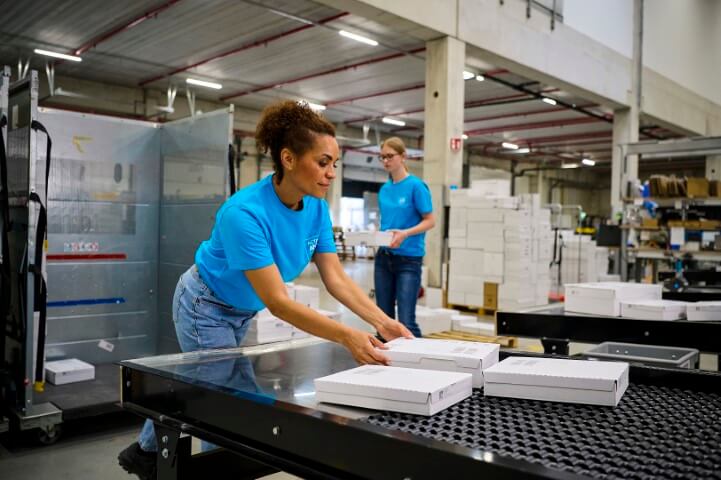
One of the most common challenges companies face is deciding where to position their stock. Should inventory be centralized in one distribution center, or split across multiple locations?

E-commerce can grow fast. Sometimes faster than the logistics behind it can keep up.

As the fashion industry moves into the spring/summer season, brands focusing on summer clothing, accessories, and swimwear are entering one of the most dynamic and unpredictable sales periods of the year.

In this article, we break down what’s changing, what it means for your business, and why more non-EU brands are shifting to smarter, EU-based fulfilment strategies.

Do we need a fully tailored logistics solution, or a highly optimized, plug-and-play model?

For years, cross-border selling was considered the most efficient way to expand into Europe.
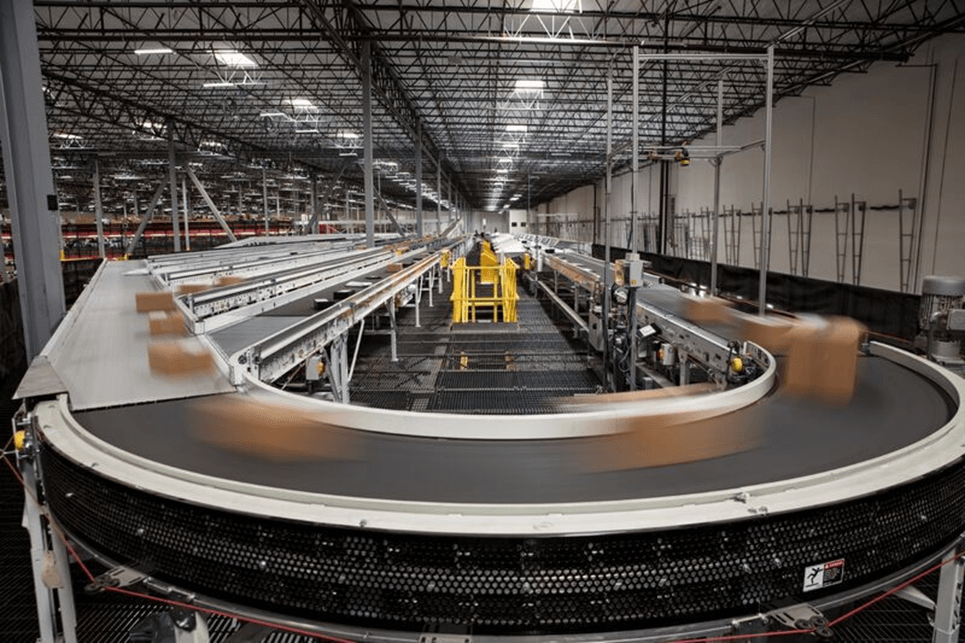
As brands expand into new markets, add sales channels or accelerate campaign activity, operational complexity increases faster than expected.
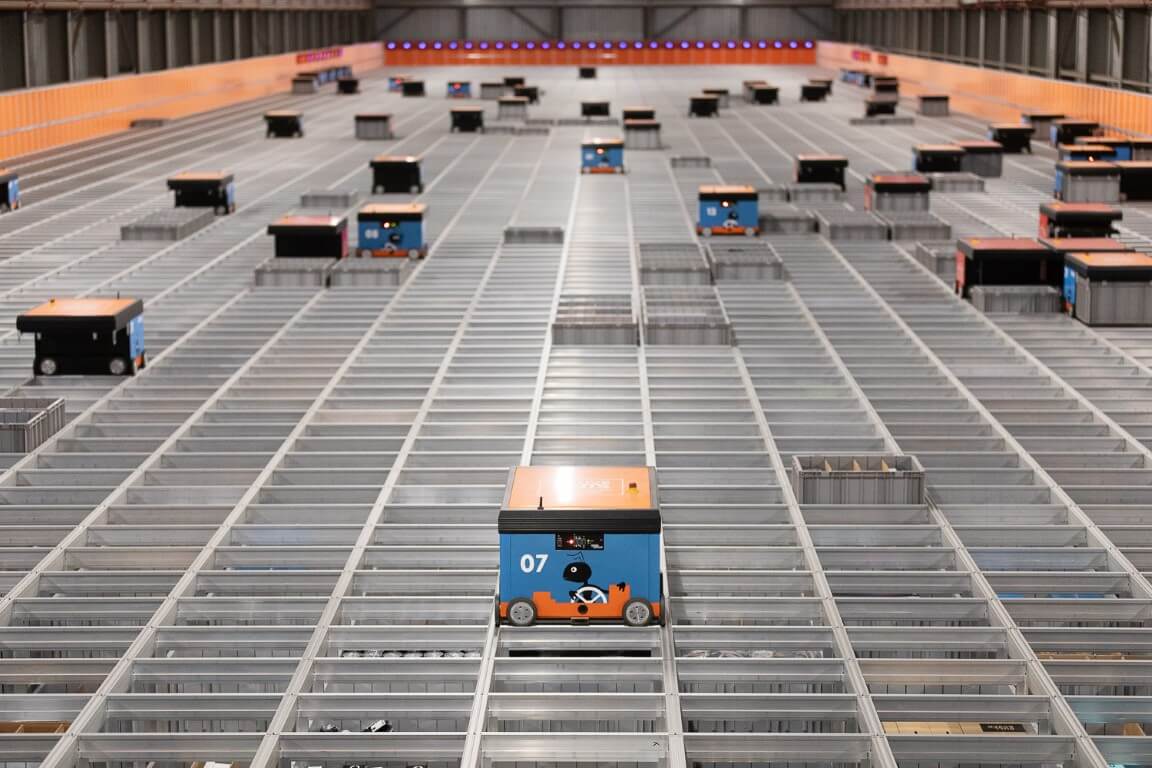
When many people picture a warehouse, they imagine rows of shelving and manual handling. The reality across the UK logistics sector is changing fast.
Subscribe to our newsletter and be the first to receive the latest industry news, expert insights, and exclusive tips to grow your business. Join our community today and stay one step ahead!